Writing
I write about sex, gender, culture, and power, usually to offer a deep dive into the influence of a particular author, story, or genre.
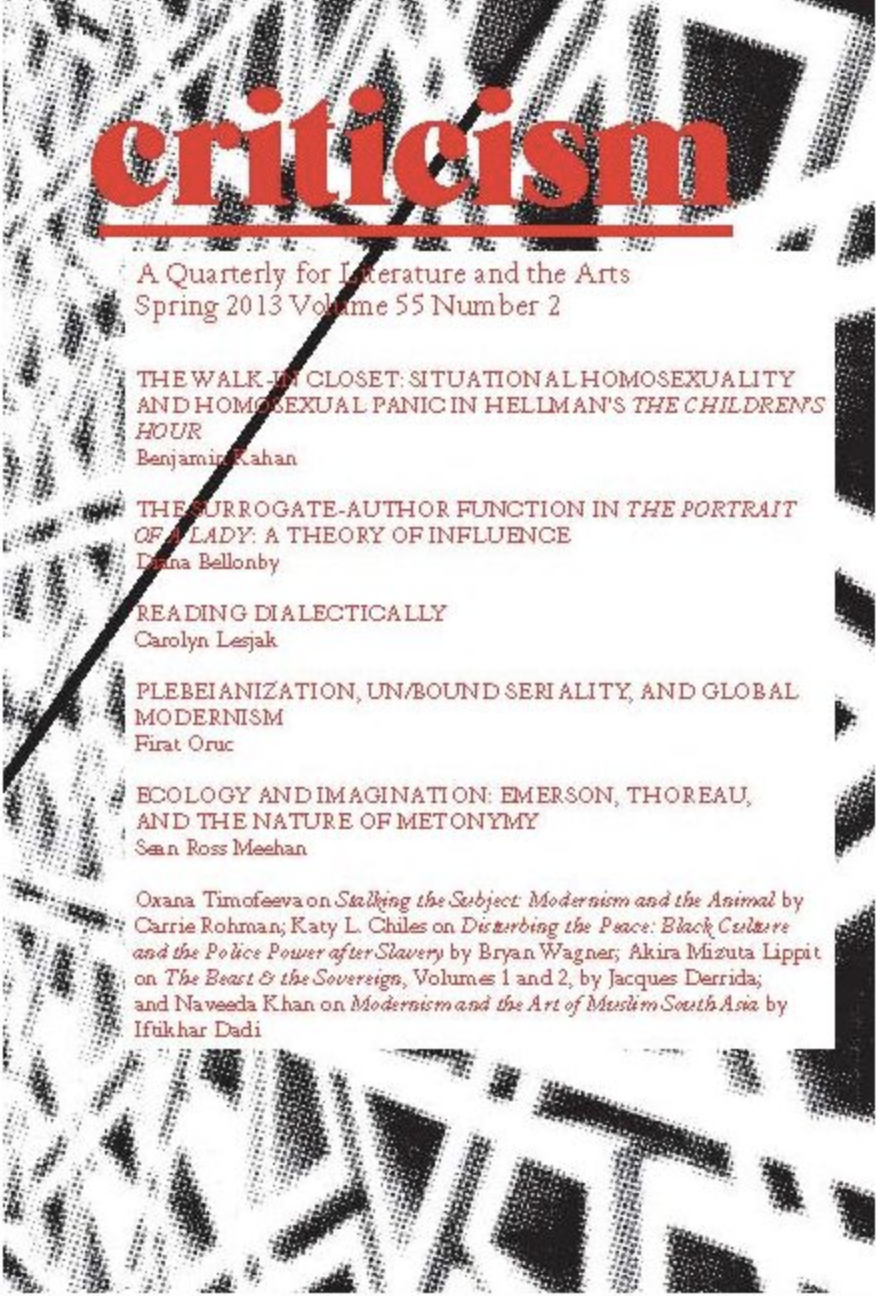
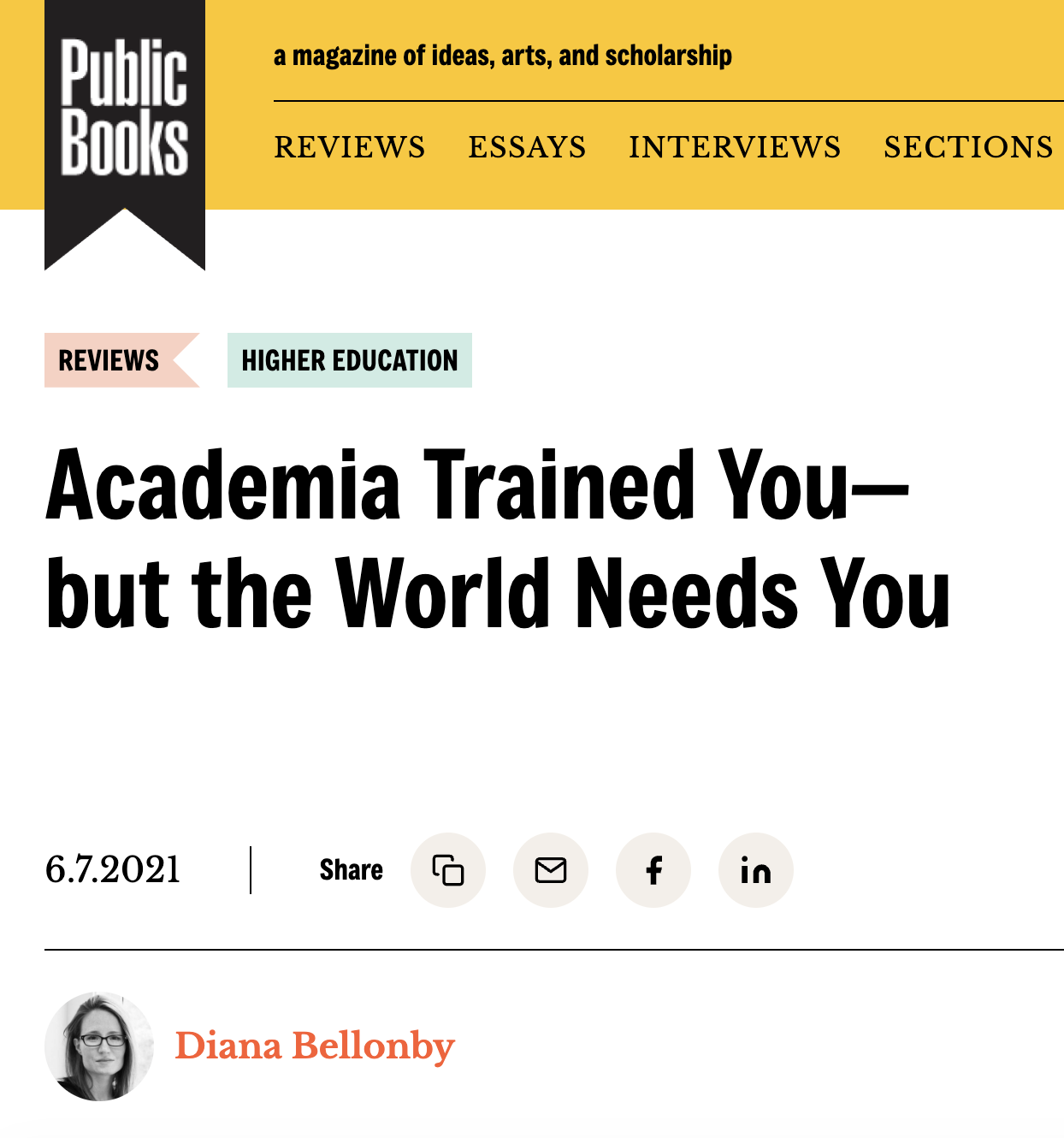
My essay for The Microgenre (Bloomsbury, 2020) traces the rise of the magic-portrait story from eighteenth-century German romances to Wilde’s The Picture of Dorian Gray to Hitchcock’s Vertigo. In a 2013 article for Criticism on the embattled state of influence studies, I suggest a new approach grounded in the idea that all fiction is critical. I use this theory to shed light on the unacknowledged impact of female novelist George Sand on Henry James, his views on artistic mastery, and his novel, The Portrait of a Lady. My Public Books review of Christopher Caterine’s Leaving Academia(Princeton UP, 2020) argues against disempowering the so-called academic outsider with advice to shed or hide our scholarly identities. I call, instead, for us to openly embrace skills urgently needed across industries and to draw guidance from Stacey Abrams’s Lead from the Outside(Macmillan, 2019).
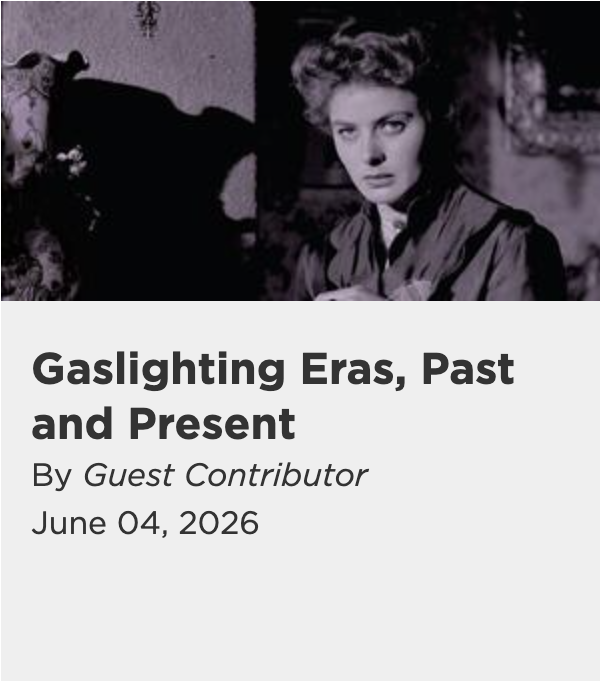
In 2022, I began a collaborative investigation into the cultural origins of gaslighting with Nora Gilbert and Tara MacDonald that resulted in the essay collection, Victorian Gaslighting: Genealogy of an Injustice (SUNY, 2026). Our SUNY Press blog post, “Gaslighting Eras, Past and Present,” gives a look inside the book and its political relevance today. My chapter, “Gaslighting Vernon Lee,” tells the fall-from-grace story of a prolific young art critic who was gaslit by reviewers of her debut novel, Miss Brown (1884), in which she boldly called out sexual violence in London’s art world. In a spin-off essay for the Los Angeles Review of Books, “A Queer Icon for the Authoritarian Ages,” I share the next chapter in Lee’s literary saga, when she turned to ghost stories to recover from her gaslighting trauma and cultivate new strategies for queer feminist resistance. Lee’s political ghost stories remain eerily resonant in Trump’s America.
I am now working on a series of new essays, among them a review of Stefanie O’Connell’s The Ambition Penalty (Basic Venture, 2026) and a 50-years-later look at Gayle Rubin’s “The Traffic in Women” (1975) and anti-rape feminism today. I continue, all the while, to plug away at my book-in-progress, Schools of Love, which is many years in the making. Schools of Love tells the ancient-to-modern story of Ovid’s The Art of Love, a joke book in which the ancient Roman poet teaches men that women want to be raped. Beginning in the Middle Ages, The Art of Love became a popular textbook for schoolboys across Europe and heavily influenced Western culture for two millennia, popularizing rape myths like “she was asking for it” that remain pervasive.
Ovid’s now-forgotten rape manual, together with his Pygmalion myth, established a blueprint for what we call “rape culture,” or the network of myths that normalize, romanticize, excuse, efface, and fuel sexual violence against women and girls. Each chapter of Schools of Love takes readers on a fast-paced journey of cultural influence through the turning points that imbedded Ovidian rape myths into modern institutions, from social norms to political theories to economic structures. You can find the first piece from this project, “Rape Culture, A Literary History from Ovid to Shakespeare,” in the New Rape Studies (SUNY, 2026). Readers of that essay will travel from Augustan Rome to twelfth-century France to Elizabethan England to the American present and learn why it matters for us to know how our culture came to portray cruelty as love.
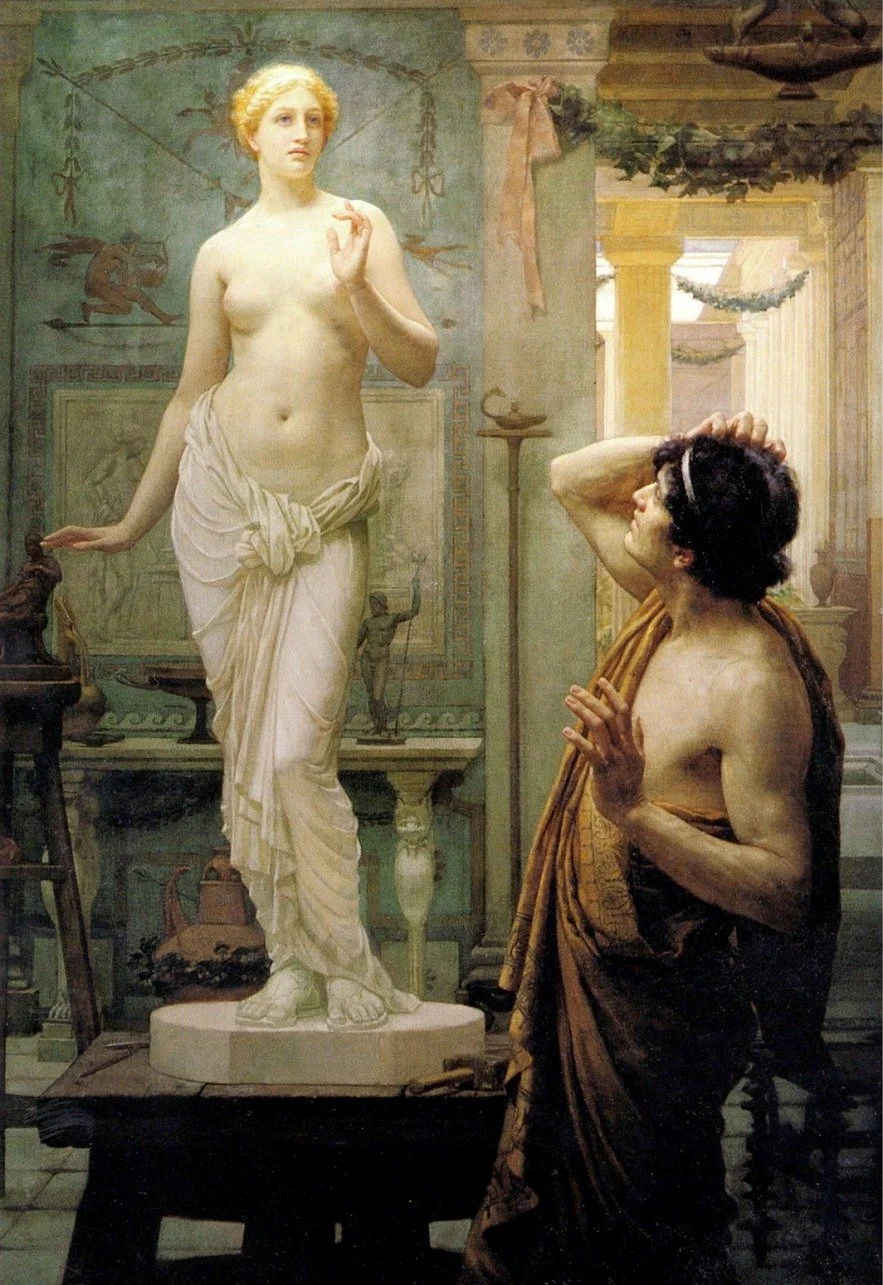
Pygmalion and Galatea by Ernest Normand (1881) via Wikimedia Commons.